

Two sonic topologies together in perfect phase
Review by Paul Vnuk Jr. & Giles Reaves
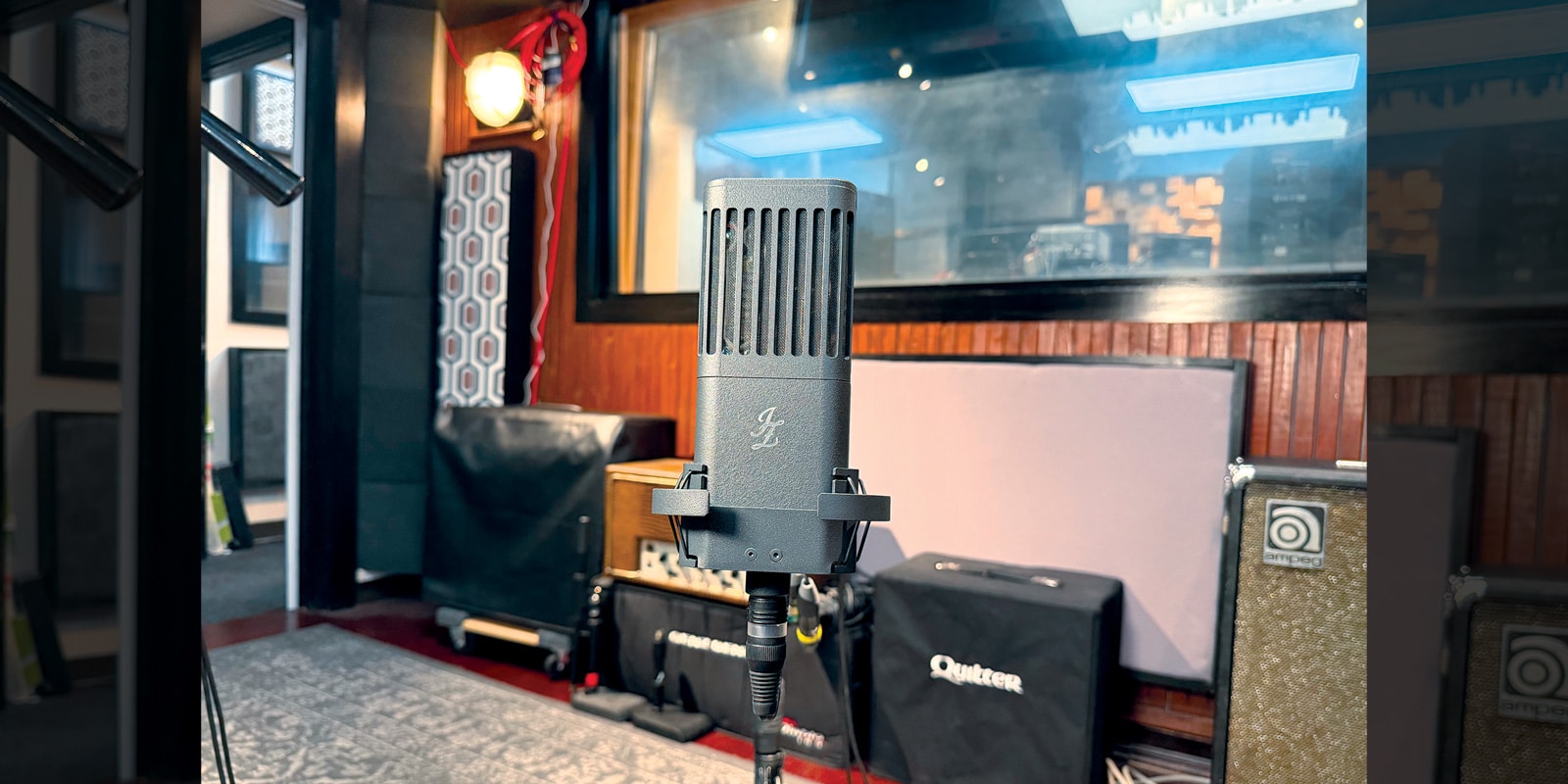
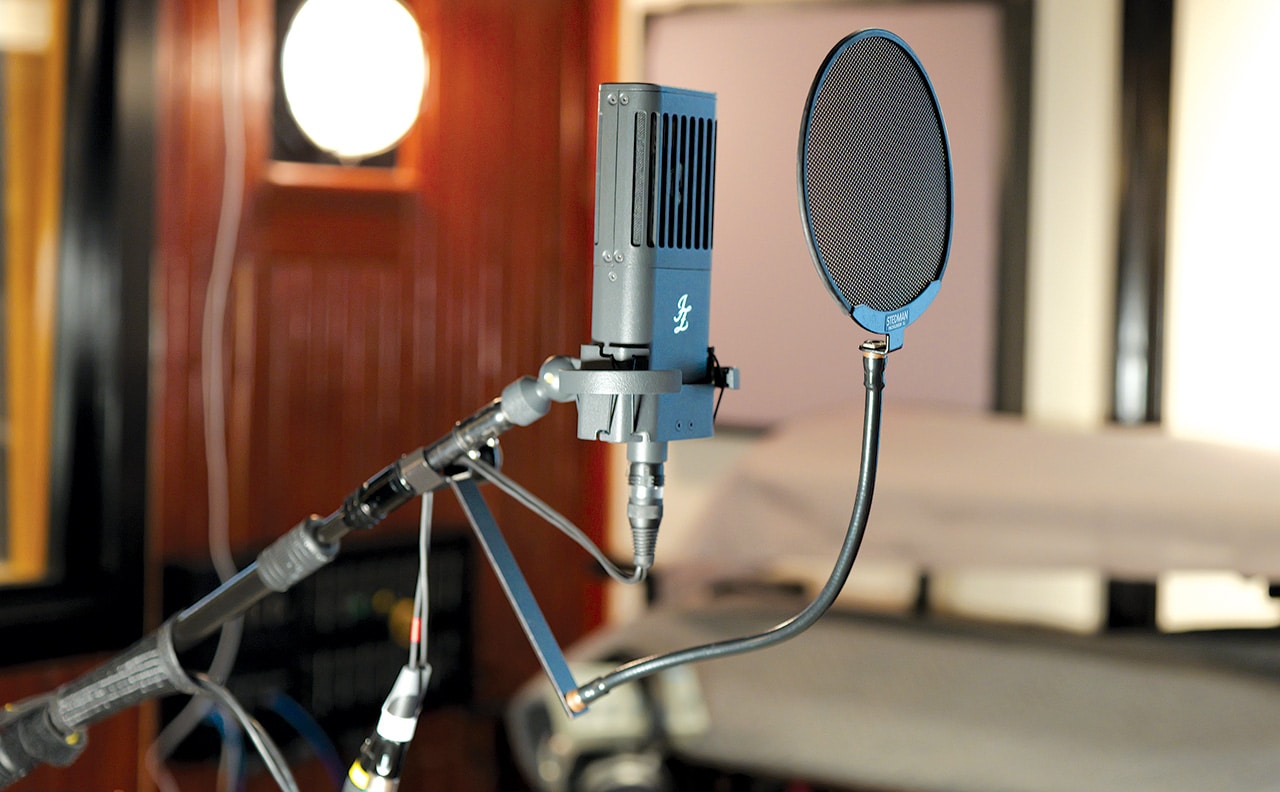
The JZ Microphones MU-1 is a microphone conceived by producer and engineer Marc Urselli. It combines a classic ribbon motor and a large diaphragm cardioid condenser capsule within a single microphone body.
Past Featured Reviews
- October 2026: Chandler Limited REDD Mixing System
- September 2026: Barefoot Sound Footprint 01 Gen 02 and Footprint 02 Gen 02
- iamReverb
- August 2026: Focusrite ISA C8X
- July 2026: JZ Microphones MU-1
- Fender Quantum LT 16 USB-C Audio Interface
- LANDR: An all-in-one music ecosystem
- June 2026: Strymon NightSky Experimental Reverb Plugin
- May 2026: Sennheiser HD 480 PRO
JZ Microphones
Founded in Riga, Latvia by the late microphone designer Juris Zarins, JZ Microphones has spent nearly two decades building a reputation for innovative condenser microphone designs such as the BB29, Amethyst, Vintage series and the popular Black Hole models.
Marc Urselli
The “MU” in MU-1 stands for Marc Urselli, a three-time GRAMMY® Award-winning producer and engineer known for work spanning rock, jazz, classical, world music and film scoring. Based in New York City, Marc serves as chief engineer at EastSide Sound and operates Audio Confidential.
A longtime RECORDING contributor and passionate microphone enthusiast, Marc is especially known for his love of ribbon microphones and his extensive collection of rare and unusual designs. That passion, combined with a long-standing appreciation for the JZ Microphones Black Hole, played a significant role in shaping the concept and development of the MU-1.
Two Capsules, No Waiting
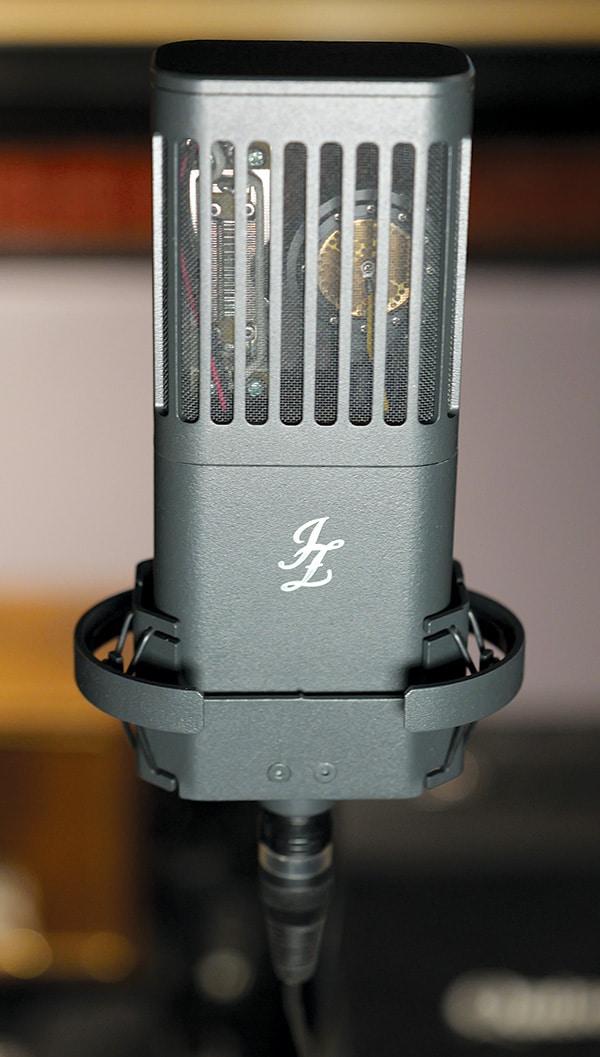
While there have been other hybrid/dual element microphones in the past, most notably the dynamic/ribbon Altec 639B “Birdcage,” the MU-1 is “the first studio microphone to house a ribbon element and a large-diaphragm condenser capsule side-by-side in a single, level-matched and phase-coherent body.” More importantly, it is truly two microphones in one, with each element providing its own independent output. As we will see, that design opens up some unique creative and practical possibilities.
Specs & Graphs
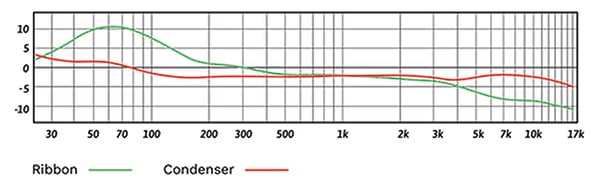
The MU-1 combines a transformer-coupled active ribbon microphone with a transformerless cardioid condenser design, each with its own dedicated output. Despite employing two very different technologies, the elements are carefully level-matched and phase-aligned, allowing them to be blended seamlessly. The ribbon side features a frequency response of 35 Hz–15 kHz, while the condenser extends from 20 Hz–20 kHz.
The frequency response plots do an excellent job illustrating the hand-in-glove nature of the design. The ribbon side exhibits the bold low end and gentle high-frequency roll-off associated with classic old-school ribbon microphones, while the condenser remains flatter and more extended through the upper mids and highs. Viewed together, the condenser naturally fills in where the ribbon begins to soften, creating a smooth, balanced response that feels more classic and traditional than forward or aggressively modern.
Checking Out the MU-1
At the time of this review there were only three examples of the MU-1 in the United States, so fellow RECORDING contributor Giles Reaves and I traveled to Marc Urselli’s Manhattan studio, Audio Confidential, for a hands-on evaluation. For a full interview with Marc and audio examples, be sure to check out my extended video review on the RECORDING YouTube channel.
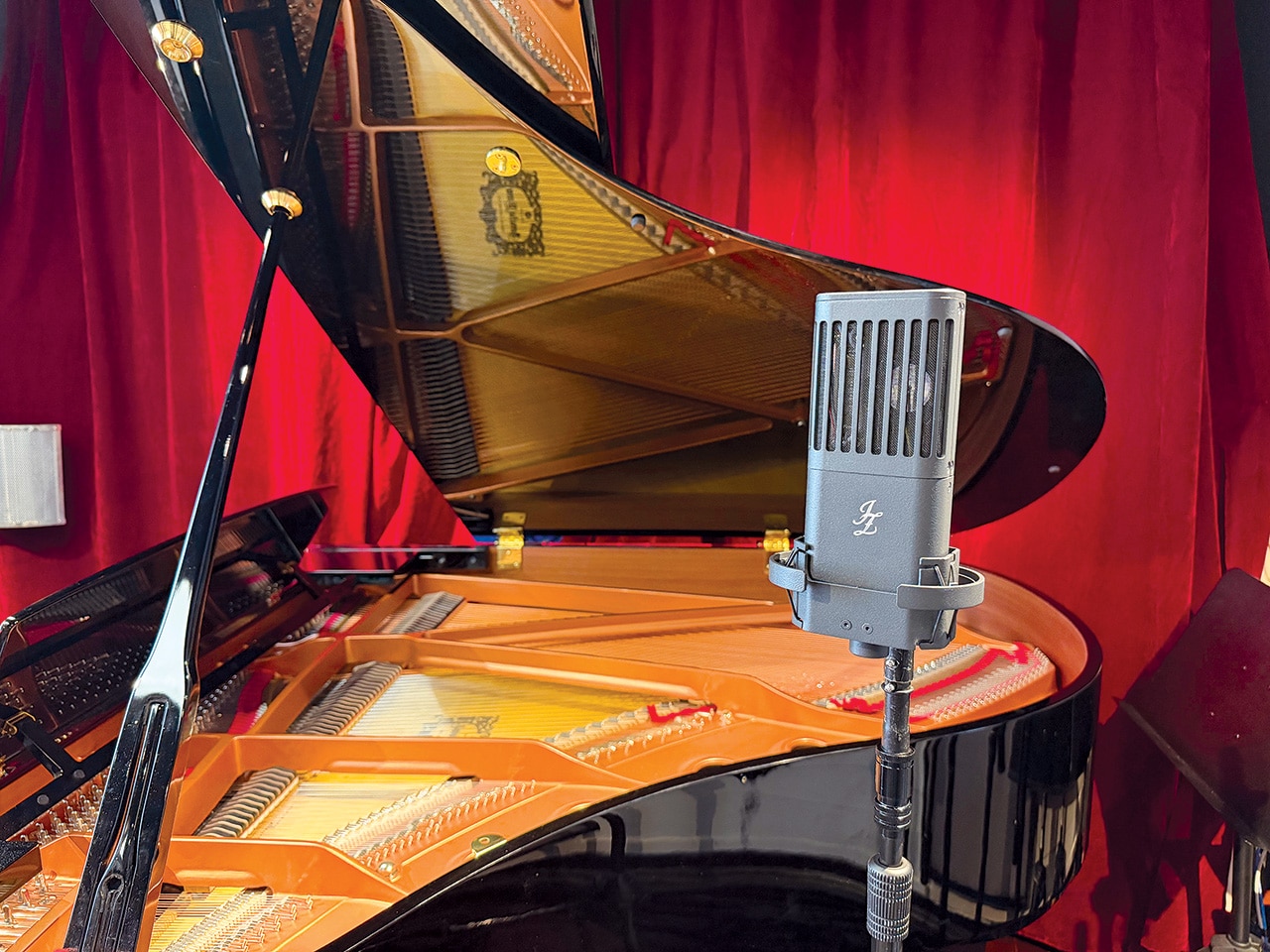
First impressions were excellent. In person, the MU-1 is larger than it appears in photographs and feels exceptionally well built, with a reassuring heft that reflects the fact that it houses two complete microphone systems within a single chassis. While not excessively heavy, it is substantial enough to benefit from a sturdy microphone stand.
In Use
Our first test involved Marc and me each speaking into a MU-1 positioned roughly a foot away. The condenser element immediately impressed with a clean, clear and remarkably even presentation, while the ribbon side delivered the thick, smooth and rich character one expects from a classic ribbon microphone. As I quickly discovered on virtually every source we tried, however, the real magic happened when blending the two elements. The condenser contributed clarity, detail and transient response, while the ribbon added weight, warmth and depth. Together they created a sound that was both natural and polished.
We also tested the MU-1 on acoustic guitar, grand piano and drums. For the acoustic guitar and piano sessions, Marc set up a vintage AKG C414 and a Royer R-122 active ribbon microphone for comparison. The cardioid side of the MU-1 was not a million miles removed from the C414, but sounded more open and articulate, with greater string definition on acoustic guitar and more air on piano. The ribbon side, meanwhile, delivered noticeably more weight and low-end richness than the famously mid-forward R-122. To my ears, this placed the MU-1 ribbon closer to classic vintage RCA ribbon territory, albeit with its own distinct character rather than as an attempt to clone a specific microphone.
What stood out even more was how seamlessly the MU-1 elements blended together. While the C414/R-121 combination sounded excellent, the MU-1 benefited from the extremely tight phase relationship between its two transducers. Marc explained that this was one of the primary reasons JZ opted for a side-by-side arrangement, allowing the ribbon and condenser elements to be positioned as closely together as possible.
Drums may have been my favorite application of the day, using three MU-1 microphones as stereo overheads plus a third positioned as a “crotch mic.” I was worried about not having a mic in front of the kick drum, and was blown away when the center microphone delivered one of the biggest kick drum sounds I have heard in a long time—think the opening of “Honky Tonk Women” and you will not be far off. The overheads were equally impressive, producing a spacious, natural image with an organic sense of room and depth that felt ready to drop directly into a classic rock or jazz mix, with no close mics needed.
A further handy trick, especially when used as an overhead microphone, is to compress only the ribbon element. Thanks to its bi-directional figure-8 polar pattern, the ribbon can be used to emphasize and exaggerate room ambience and reflections, while the condenser element retains the detail, clarity and transient definition of the kit.
Our final session involved recording vocalist Layla accompanied by Javier Madrazo on nylon-string guitar, both performing live in the room and each captured with a MU-1. Marc positioned the microphones so that the nulls minimized bleed between the performers, allowing each element to take advantage of its excellent off-axis rejection—especially the ribbon.
The resulting tracks sounded remarkably close to mix-ready without the use of EQ or compression. Balancing the two outputs effectively became the EQ, but again, without the phase concerns normally associated with multi-microphone setups. Marc also demonstrated one of his favorite techniques: keeping the warmer ribbon elements centered while panning the brighter condenser elements outward, creating a surprisingly compelling stereo image from nothing more than vocals and acoustic guitar.
Conclusion
After spending a day with the MU-1, I came away impressed not only by how good it sounds, but by the sheer range of possibilities it offers. The JZ Microphones MU-1 is one of the most innovative microphones I have encountered in recent years. While the industry can debate whether it is truly the first dual-element microphone of its kind, it is unquestionably doing something different—and doing it exceptionally well.
I definitely want one… or maybe three.
A Second Opinion
By Giles Reaves
As you just read, I recently had the chance to tag along with Paul Vnuk Jr. for a sneak peek at the JZ MU-1.
While Paul covered the sound and practical applications of the MU-1, what impressed me most was the execution of a genuinely useful concept. Considerable development clearly went into aligning and level-matching these two very different technologies. The result is excellent phase coherence between the ribbon and condenser elements, allowing them to be blended freely without the comb filtering and tonal anomalies that often occur when combining multiple microphones.
Other than the fact that both elements occupy the same physical space, there is little compromise, and the MU-1 really is two microphones in one. Each element has its own dedicated circuit path and output, allowing you to use either microphone independently or record both simultaneously.
Direct comparisons are difficult because there is really nothing quite like it. The closest references might be classic dual-capsule, dual-output stereo microphones such as the AKG C24 or Royer SF-12, though neither combines two fundamentally different microphone technologies. Other hybrid designs typically pair a small-diaphragm condenser with either a dynamic or ribbon element. Even the nearly century-old Altec 639A “Birdcage” falls short as a comparison, as it employed a single output and was designed primarily to alter pickup patterns rather than blend microphone characteristics.
The MU-1 comes from a different place entirely, but one familiar to most engineers: placing two microphones on the same source and blending their unique sonic qualities. There is nothing new about that technique, but the MU-1 makes the process faster, easier and more repeatable while maintaining a consistent phase-coherent relationship between the two elements. That is what elevates the MU-1 from an interesting idea to a genuinely useful recording tool.
Ribbon Element
Frequency Response: 35 Hz–15 kHz
Output Impedance: 250Ω
EIN: -130dBu
Maximum SPL: 125dB SPL
Transformer: Toroidal, 1:28 Turns Ratio
Condenser Element
Frequency Response: 20 Hz–20 kHz
Sensitivity: 21 mV/Pa @ 1 kHz
Output Impedance: 50Ω
Rated Load Impedance: >100Ω
Maximum SPL: 134.5dB SPL
Self-Noise: 6.5dB-A
Dynamic Range: 128dB
Price: $2,499 ($1,999 presale price until August 2026)
More From: intshop.jzmic.com